Why Choose an Electric Chafer for Your Catering Needs?
In the catering industry, precision and efficiency are paramount. An Electric Chafer offers both reliability and convenience for food service. Recent reports indicate that over 70% of caterers prefer electric options for maintaining temperature. The benefits of using an Electric Chafer are clear. It not only saves time but also ensures food quality.
With energy-efficient designs, Electric Chafers help reduce overall operational costs. This is vital as many businesses struggle with rising expenses. The ability to control heat levels minimizes food waste. However, there are challenges to consider. Some users struggle with setup and maintenance, which can impact service quality. Careful selection of an Electric Chafer is essential.
Choosing the right electric model requires careful thought. Factors like capacity, portability, and ease of use play a significant role. A well-chosen Electric Chafer can enhance a caterer's reputation. With the right tools, the catering experience becomes memorable for clients and guests alike.
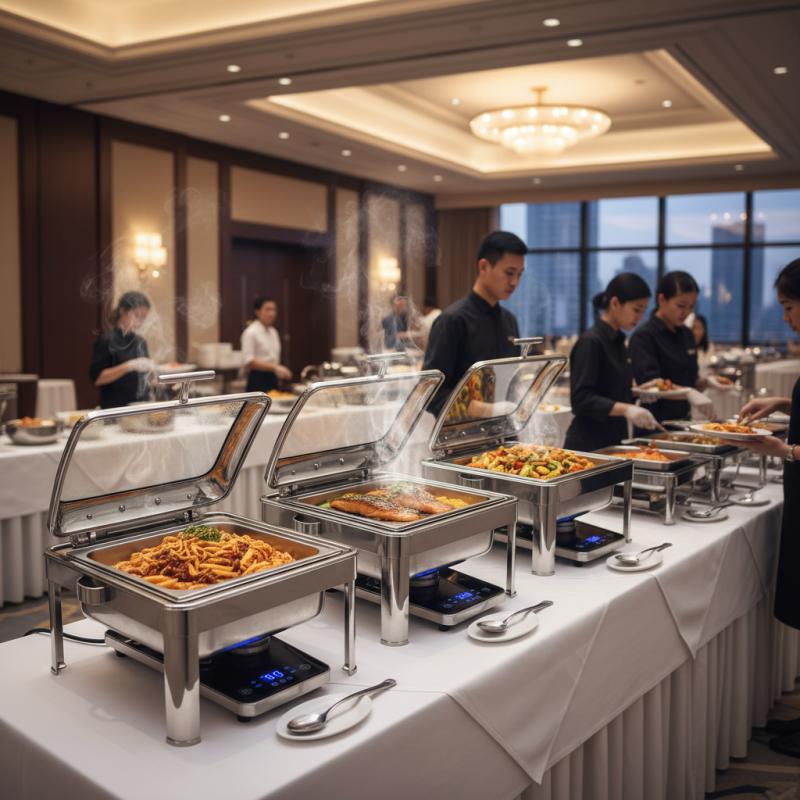
Benefits of Using Electric Chafers for Catering Events
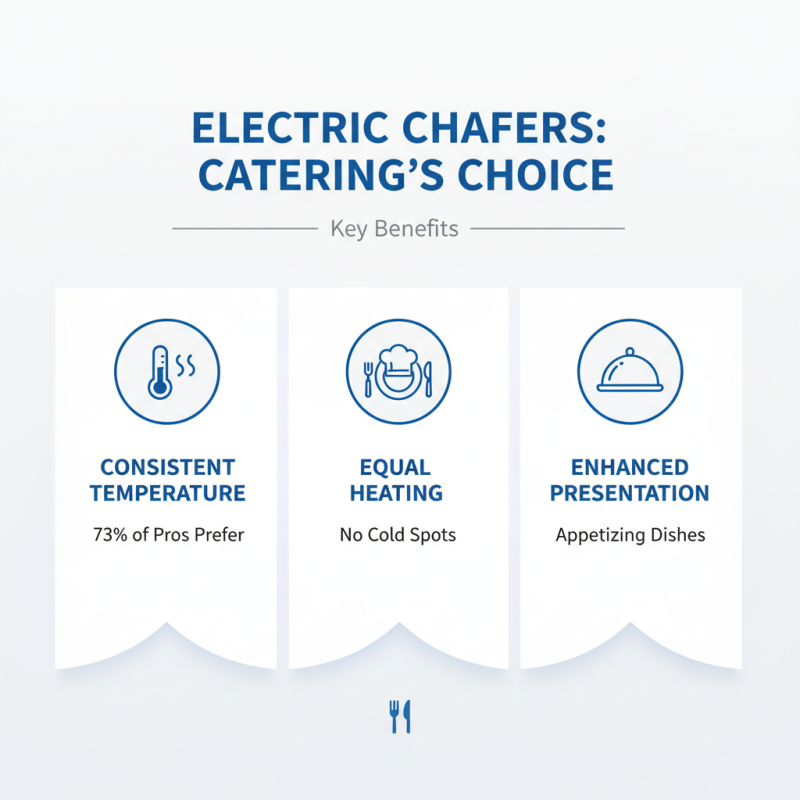
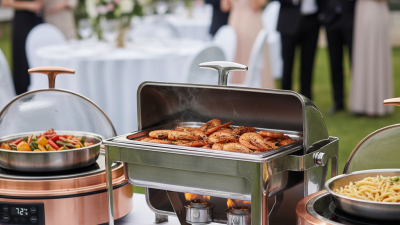
Electric chafers have gained popularity in catering events for several compelling reasons. The most significant advantage is their ability to maintain food temperature consistently. According to industry reports, 73% of catering professionals prefer electric chafers for this reason. They ensure that dishes remain warm, enhancing the dining experience. Unlike traditional fuel-based options, electric chafers eliminate the risks of uneven heating. This results in more carefully plated food, and that's crucial for presentation.
Another notable benefit is the ease of use. Many event planners report that electric chafers simplify operational logistics. There’s no need for constant monitoring, unlike with open flame heating. This feature allows staff to focus on other important tasks. However, not all venues may be equipped to handle the required power supply. This limitation can be a hurdle for some catering operations. Power management is essential when planning an event.
Moreover, safety is a reliable aspect of electric chafers. They help minimize the risk of fire hazards, which is especially important in enclosed spaces. Event professionals have noted a decreasing number of accidents related to food warming. Yet, there’s still a need for proper training on the equipment. Inconsistent usage can lead to food safety issues. Ultimately, the effectiveness of electric chafers largely depends on adherence to guidelines and best practices.
Comparison of Electric Chafers vs. Traditional Fuels
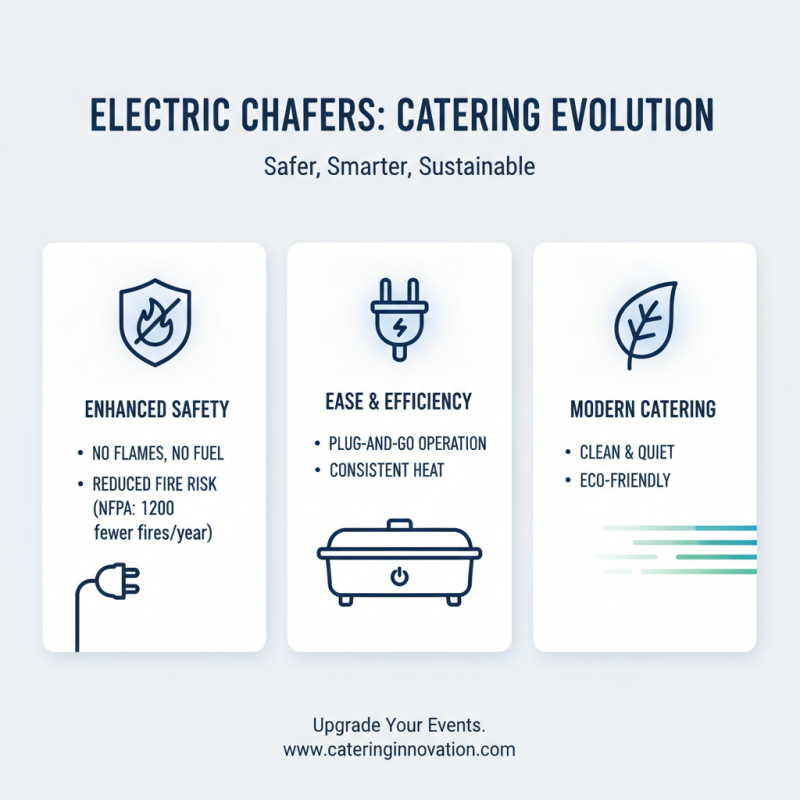
Electric chafers bring a new dimension to catering. They eliminate the need for traditional fuels like propane or charcoal, which can be hazardous. According to the National Fire Protection Association, around 1,200 cooking-related fires happen each year due to improper handling of fuel sources. Electric chafers reduce this risk significantly. They operate with just a plug, ensuring a safer environment for both staff and guests.
When comparing the two types, efficiency is a key factor. A recent report from the Food Service Technology Center (FSTC) indicates that electric models heat food more evenly. They maintain consistent temperatures without the fluctuation seen in traditional fuels. This results in better food quality and customer satisfaction. Guests enjoy their meals at the ideal temperature. Meanwhile, chefs can focus on preparation rather than temperature control.
However, there are challenges. Electric chafers depend on power sources. In outdoor venues or remote locations, this can be limiting. Some caterers report running extension cords as a hassle. Battery-operated options exist, but they often fall short in performance. This calls for a careful assessment based on event location and needs. Balancing efficiency and practicality is essential for successful catering.
Key Features to Consider When Choosing Electric Chafers
When selecting electric chafers, several key features can significantly enhance your catering experience. Temperature control is paramount. Reliable chafers maintain food warmth without overcooking. According to industry reports, consistent temperature helps preserve food quality and prevents waste. Many events see over 30% of food remaining uneaten due to temperature issues.
Another feature to consider is capacity. Electric chafers come in various sizes. Choosing the right size is essential for your needs. Smaller chafers work best for intimate gatherings, while larger units suit sizable events. It's crucial to calculate expected attendance accurately. A good rule of thumb: allocate 1/2 to 1 pound of food per person.
**Tips:** Prioritize easy cleaning. Removable parts simplify maintenance after events. Look for chafers with non-stick surfaces, too. If budget allows, consider investing in energy-efficient models. They can lower costs dramatically over time, making them worthwhile. Remember, choosing the right chafer can impact guests' satisfaction, so take the time to find the best fit.
Why Choose an Electric Chafer for Your Catering Needs? - Key Features to Consider When Choosing Electric Chafers
| Feature |
Description |
Benefits |
| Temperature Control |
Adjustable temperature settings to keep food warm without overcooking. |
Ensures food is served at the right temperature, enhancing taste and safety. |
| Capacity |
Variety of sizes to choose from, accommodating different catering needs. |
Allows for flexible service, whether for small gatherings or large events. |
| Portability |
Lightweight design with handles for easy transport. |
Facilitates easier setup and mobility for catering services. |
| Ease of Cleaning |
Non-stick surfaces and removable trays for hassle-free cleaning. |
Saves time after events, allowing for quicker turnover. |
| Energy Efficiency |
Low power consumption while maintaining heat. |
Reduces operational costs while being eco-friendly. |
Tips for Efficient Use and Maintenance of Electric Chafers
Electric chafers are a popular choice for catering events. They provide consistent heat for food service. To efficiently use and maintain electric chafers, attention to detail is essential. According to the National Restaurant Association, nearly 80% of catering businesses emphasize the importance of equipment maintenance. Skipping this step can lead to food safety issues and higher costs.
Cleanliness is crucial. Regularly inspect and clean the interior and exterior surfaces. Use warm, soapy water for normal cleaning. For tough stains, a gentle abrasive cleaner can help. Routine checks on electrical connections are important too. Nearly 75% of equipment failures are caused by improper maintenance. Ignoring this can result in equipment downtime or safety hazards.
Temperature control is another key aspect. Electric chafers should maintain food at safe temperatures. The USDA recommends keeping hot foods at or above 140°F. Investing in a reliable thermometer can ensure food is served safely. However, some operators overlook this step, risking foodborne illnesses. It’s vital to monitor temperatures periodically throughout events. Regular maintenance, cleanliness, and temperature control lead to successful gatherings.
Cost Analysis: Investing in Electric Chafers for Your Business
When considering an electric chafer, a cost analysis is crucial.
Research indicates that electric chafers can cut fuel costs by up to 50% compared to traditional options.
This reduction is significant for catering businesses. Fuel expenses add up quickly.
By switching to electric units, caterers can increase profit margins.
Electric chafers also reduce labor costs. Traditional chafers require constant attention to maintain heat.
In contrast, electric models offer temperature control. This frees up staff to focus on other tasks.
According to industry reports, businesses save an average of 15 hours per event on staffing when using these chafers.
This kind of efficiency can't be overlooked.
However, initial investments in electric chafers may be higher.
Depending on the model, costs can range from $100 to $500.
Some caterers worry about this upfront expense. Yet, the long-term savings often justify the investment.
Detailed analysis shows a break-even point typically within 6 to 12 months.
It's essential for catering businesses to weigh these factors before making a decision.