2026 How to Choose the Best Stainless Steel Plates for Your Projects?
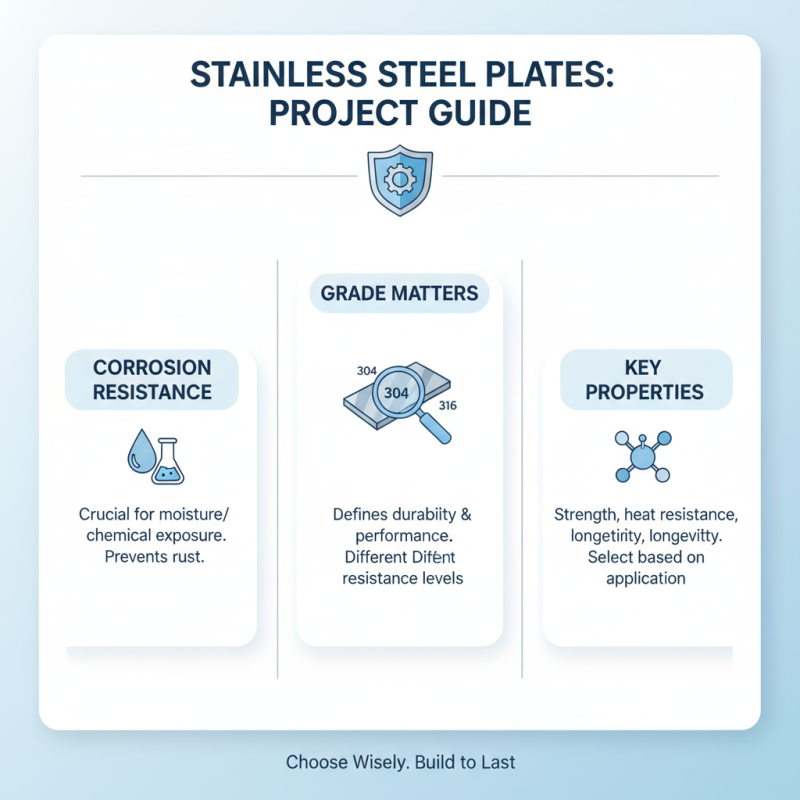
Choosing the right Stainless Steel Plates for your projects can be challenging. The market offers a variety of options. Understanding your needs is crucial. Quality and durability are often essential factors. Stainless Steel Plates come in different grades, gauges, and finishes. Each aspect affects functionality and longevity.
The project type influences your choice. For structural purposes, thicker plates are preferred. Thinner plates may fit well in applications like crafts or appliances. Pay attention to the intended use. Make sure to consider corrosion resistance. Some grades outperform others in harsh environments.
Often, buyers overlook important details. They may prioritize cost over quality. This approach can lead to unsatisfactory results. Reflecting on past experiences helps avoid similar mistakes. Exploring stainless steel suppliers can provide valuable insights. Quality advice can guide you to the best selection.
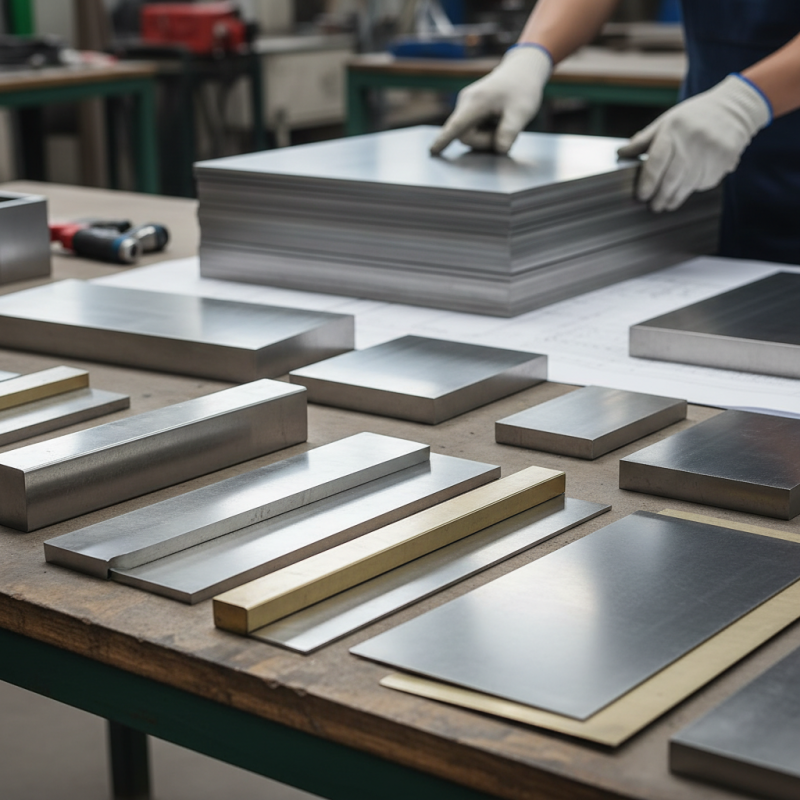
Understanding the Different Types of Stainless Steel Plates Available
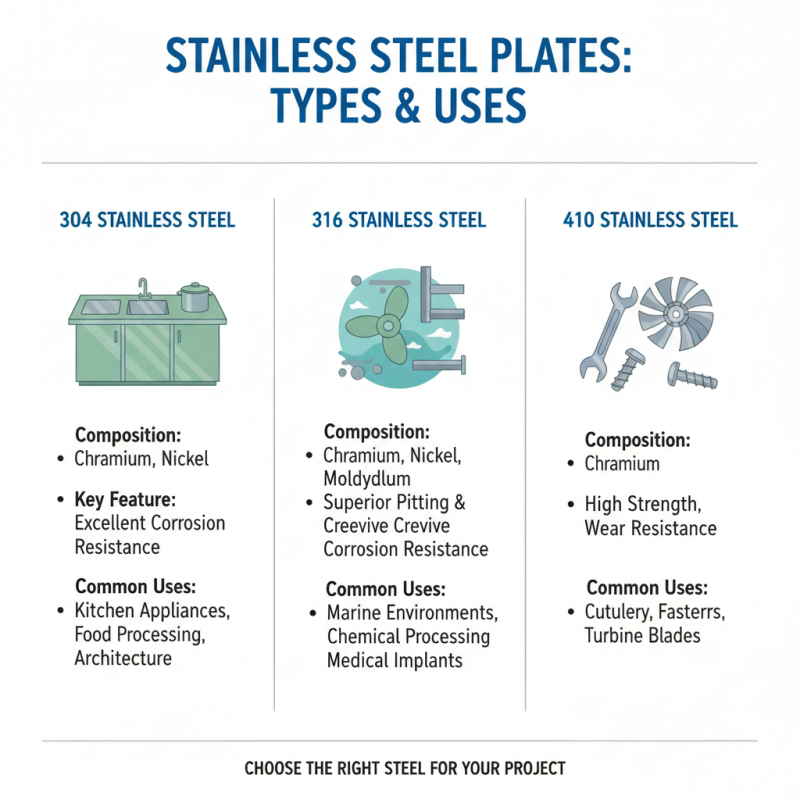
When selecting stainless steel plates for your projects, it’s crucial to understand the various types available. The most common types include 304, 316, and 410 stainless steel plates. Each type contains a unique blend of elements, influencing their properties. For example, 304 is known for its corrosion resistance, making it ideal for kitchen and food applications. It’s a versatile choice that works well in many settings.
On the other hand, 316 stainless steel offers superior resistance to saltwater and chemicals. This makes it a better option for marine applications or environments with high chloride exposure. However, it can be more expensive and harder to find. As for 410 stainless steel, it’s less resistant to corrosion but provides excellent strength. This type is often used in manufacturing tools and kitchen utensils.
Understanding these differences can be challenging. Sometimes, you might overestimate the importance of a specific type, leading to higher costs. It’s important to reflect on the actual requirements of your project. Selecting the right stainless steel plate can significantly affect durability and performance. Always align your material choice with the functional demands of your specific application.
Factors to Consider When Selecting Stainless Steel Plate Thickness
When selecting stainless steel plate thickness, project requirements are paramount. Different applications require varying levels of durability and strength. For instance, structural projects may need thicker plates for enhanced support, while decorative uses might only require thinner options. Understanding the end-use ensures the right choice.
Thickness influences weight and handling ease. Thicker plates are heavier and harder to manipulate, which can complicate installation. Consider workspace limitations. If heavy machinery is not available, opting for a lighter gauge could be a practical solution. Also, the available budget plays a crucial role in the decision. Thicker plates typically cost more, and this could hinder project finances.
Corrosion resistance is another aspect to keep in mind. Thicker plates might offer more protection in harsh environments. But too much thickness can lead to over-engineering. This raises costs unnecessarily. It's essential to balance durability with practicality. Evaluating and re-evaluating your project needs can help guide this decision. Choose wisely, as the thickness directly affects long-term performance and maintenance.
Importance of Surface Finish in Stainless Steel Plate Selection
When selecting stainless steel plates, the surface finish is critical. A good surface finish enhances aesthetic appeal and ensures corrosion resistance. According to industry reports, about 70% of applications in construction rely on these qualities. A rough surface can trap moisture and contaminants, leading to premature failure. The cost of replacing corroded plates can be substantial; some projects report losses exceeding 15% of initial budgets.
Different surface finishes serve specific functions. A mirror finish creates a sleek look but may not provide the best grip. Conversely, a brushed finish can enhance durability while reducing visual imperfections. Understanding how these finishes affect performance is crucial. However, it’s important to note that mismatched finishes can lead to strong visual contrasts in installations, which might require rework and additional expenses.
The debate around production methods also warrants attention. Some processes may achieve a desired finish, but the underlying material quality might suffer. Incompatibilities between the surface treatment and base material can undermine long-term performance. Engaging in thorough assessments and obtaining detailed specifications can mitigate these risks, ensuring you make informed choices.
Cost Considerations and Sourcing Options for Stainless Steel Plates
When selecting stainless steel plates for projects, cost considerations play a crucial role. Stainless steel can vary widely in price based on quality and specifications. Basic grades might be cheaper, but they often lack durability. Higher grades, like 316, offer excellent resistance to corrosion but come at a premium. Understanding your project's specifications will inform your budget effectively.
Sourcing options also matter greatly. Local suppliers may offer competitive pricing and faster delivery. However, not all local suppliers carry a complete range of grades and sizes. Online sourcing can provide more choices, but shipping costs must be factored in. Always compare different options before making a procurement decision.
Tip: Consider bulk purchases to save costs. Buying larger quantities often reduces the overall price per unit. While this can be an advantage, ensure your storage can accommodate it. Another important factor is the timing of your purchase. Prices can fluctuate. Being aware of market trends could help you secure better deals. Reflect on these aspects while planning your next stainless steel project.
2026 Stainless Steel Plates Cost Analysis
This chart displays the average cost per square meter for different types of stainless steel plates suitable for various projects. Type 304 and Type 316 are commonly used in many applications, whereas Type 2205 and Type 310 are more specialized and thus more expensive.