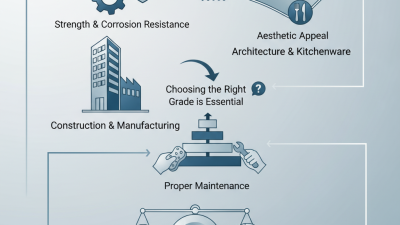
Choosing the right stainless steel plates can be daunting. With numerous options on the market, understanding what matters most is essential. Industry expert John Sullivan, a leading metallurgist, emphasizes, "Selecting quality stainless steel plates is crucial for durability and performance." This highlights the importance of making informed choices.
Stainless steel plates serve various industries, from construction to culinary arts. Each application demands specific properties. It's vital to consider factors like thickness, grade, and surface finish. These elements significantly influence the performance and longevity of the material.
While many buyers focus solely on price, this approach can lead to regret. The cheapest option may not meet the necessary specifications. Reflecting on quality and suitability is key to preventing future issues. Making a thoughtful decision now can save time and costs later.
When selecting stainless steel plates, understanding the grades of stainless steel is crucial. Stainless steel is classified into several grades, each with unique properties. For instance, grades like 304 and 316 are commonly used. Grade 304 offers good corrosion resistance and is versatile. However, it may not perform well in very harsh environments. If you need superior corrosion resistance, consider grade 316. It contains molybdenum, boosting its ability against corrosion due to chlorides.
The grade influences not only durability but also machining capabilities. Higher grades may require specific tools, which can increase costs. Consider your specific needs when choosing. Reflect on the environment where the plates will be used. There is a balance between cost and performance. Sometimes, a lower grade may suffice for less demanding applications. Always weigh your options carefully to make a better-informed decision.
When selecting stainless steel plates, corrosion resistance is vital. Different grades offer varying levels of protection. A plate's environment plays a crucial role in its longevity. Humid locations, for example, may require more robust materials to prevent rust.
When assessing corrosion resistance, consider factors like chemical exposure and temperature. Stainless steel contains chromium, which creates a protective layer. However, it can wear down over time. Regular inspections can help identify vulnerabilities. Uneven surfaces may trap moisture, accelerating corrosion.
Pay attention to the finish of the plate. A smooth surface typically offers better resistance than a rough one. Passivation treatment enhances this protective layer, improving longevity. Still, even the best materials require maintenance. Regular cleaning can prevent buildup, extending the plate's lifespan. In the end, understanding these factors will ensure your choice is both practical and durable.
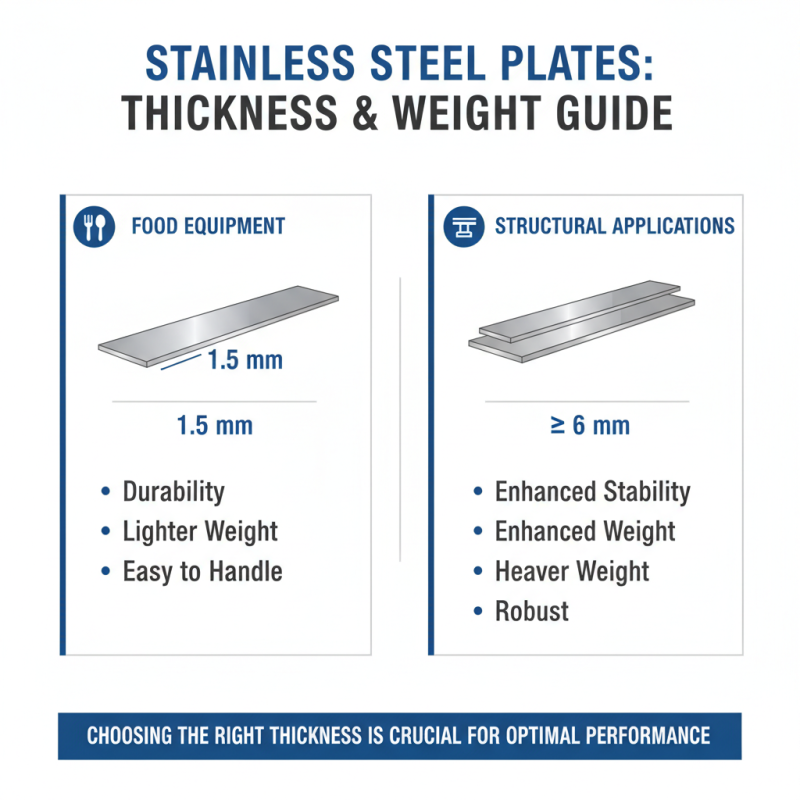
When choosing stainless steel plates, thickness and weight are critical factors. Various applications require different thicknesses. For instance, food equipment often needs plates that are 1.5 mm thick. This thickness offers durability without being overly heavy. In contrast, structural applications may demand plates that are at least 6 mm thick. Heavier plates can increase stability but may be cumbersome.
Weight also plays a vital role in application suitability. A heavier plate can provide better durability. However, if the application requires mobility, a lighter plate might be more appropriate. It is essential to balance weight and strength based on your specific needs. Also, consider the environment where the plates will be used. Corrosion resistance is crucial in humid conditions, so choosing the right thickness can enhance longevity.
Additionally, the choice may lead to trade-offs. A thicker plate might resist bending and warping, but it can be more challenging to handle. Users must evaluate the benefits against potential difficulties. Understanding these factors fosters informed decisions. Always assess the purpose before making a choice. Analyzing application requirements and environmental conditions will lead to the best outcomes.
Choosing the right stainless steel plates involves understanding the impact of finish and surface treatments on both performance and aesthetics. The finish can greatly affect corrosion resistance. A brushed finish may help hide scratches but could retain dirt and grime. Polished surfaces shine, offering a clean look but might show fingerprints more readily. This trade-off between appearance and maintenance is crucial to consider.
Surface treatments, such as passivation and electro-polishing, enhance durability. Passivation removes free iron from the surface, increasing corrosion resistance. However, not all manufacturers may include this process. Electro-polishing smooths the surface, making it easy to clean. Yet, this treatment may be more expensive and not necessary for all applications. Understanding these details is vital for making an informed choice that suits both functional requirements and visual expectations.
When sourcing stainless steel plates, budget considerations play a vital role. According to a recent report by the International Stainless Steel Forum, stainless steel prices have surged by over 15% in the past year due to raw material costs. This rise can strain budgets, especially for small businesses. Balancing cost and quality becomes essential.
Quality stainless steel plates often contain low levels of impurities, enhancing durability. Investing in high-quality materials can reduce long-term costs related to maintenance and replacements. The initial expenditure might be high, but it saves money in the long run. Reports indicate that high-grade stainless steel plates can last up to 50% longer than their lower-quality counterparts. Therefore, careful selection is crucial.
Reflect on your needs. Are you purchasing plates for structural applications or decorative uses? A mismatch can lead to unexpected expenses. While it may be tempting to choose the cheapest available option, this could backfire. A penny-wise approach might turn into a pound-foolish outcome, resulting in frequent replacements or repairs. Consider lifecycle costs to make a more informed decision.
| Tip | Consideration | Cost Impact | Quality Indicator |
|---|---|---|---|
| Select Appropriate Grade | Assess the application requirements for corrosion resistance. | Higher grade increases costs. | Grade 304 vs 316 known for durability. |
| Evaluate Finish Type | Consider if a polished finish is necessary. | Polished plates are generally pricier. | Mirror finish adds aesthetic quality. |
| Check Plate Thickness | Determine strength needs vs. weight constraints. | Thicker plates cost more. | Thickness ensures durability. |
| Consider Dimensions | Ensure that the plates fit project specifications. | Custom sizes can inflate costs. | Standard sizes are often more affordable. |
| Review Supplier Reputation | Research the quality history of potential suppliers. | Less known suppliers may offer lower pricing. | Look for verified quality assurance. |
| Analyze Lead Times | Assess project timelines against supplier delivery. | Faster delivery may increase costs. | Timely delivery is crucial for project flow. |
| Inspect Certification Standards | Verify compliance with industry standards. | Certified products are typically priced higher. | Certification ensures reliability and safety. |
| Calculate Total Cost of Ownership | Include maintenance and operational costs. | Incremental costs can add up. | Long-lasting quality reduces TCO. |
| Evaluate Sustainability Practices | Consider environmental impact of sourcing. | Eco-friendly options may have a premium. | Sustainable sourcing reflects product quality. |