What is Stainless Steel Plates Buyers Guide and Tips?
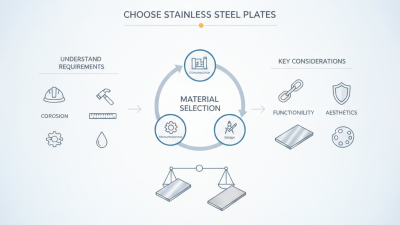
When considering Stainless Steel Plates, it's essential for buyers to understand various factors. The market offers many options, each with unique properties. Stainless steel is renowned for its durability and resistance to corrosion, making it a preferred choice across industries. Knowing the grades, thicknesses, and finishes can significantly impact your selection process.
In this guide, we will share practical tips to help you navigate the choices effectively. For instance, thickness plays a crucial role in application suitability. Lighter plates might suffice for some projects but can fail in demanding conditions. It’s important to assess your needs carefully to avoid costly mistakes.
Having reliable suppliers is vital. Not all manufacturers provide the same quality. Do thorough research and seek recommendations when possible. Engaging with industry experts can enhance your understanding. By making informed decisions, you can ensure your investment in Stainless Steel Plates pays off.
Understanding Stainless Steel Plate Specifications and Grades
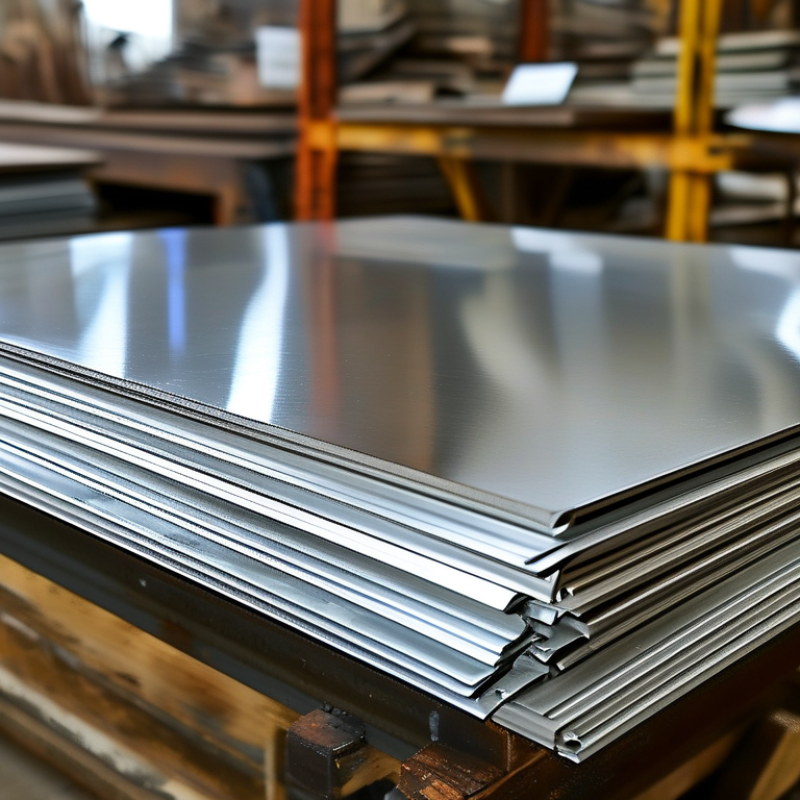
When exploring stainless steel plates, it's crucial to understand the key specifications and grades. Stainless steel is known for its corrosion resistance and durability. Different grades serve diverse purposes. For instance, 304 grade is popular for food and kitchen applications, while 316 grade offers better resistance against saltwater environments.
Buying the right stainless steel plate requires attention to thickness and finish. Common thicknesses range from 1/16 inch to 1 inch. A smooth finish can enhance aesthetic appeal, but it may not always be necessary for industrial applications. Understanding these specifications can prevent mistakes that result in costly errors.
Navigating stainless steel grades can be daunting. Many buyers overlook the importance of specifications, focusing instead on price. This often leads to poor choices. Higher grades typically mean higher costs, but they offer better performance in challenging environments. Always check certifications to ensure you're receiving quality material. A little research will go a long way in maximizing your investment.
Factors to Consider When Buying Stainless Steel Plates
When purchasing stainless steel plates, several factors must be taken into account to ensure optimal results. First, understand the grade of stainless steel required for your application. Different grades offer varying levels of corrosion resistance and strength. For instance, 304-grade stainless steel is versatile, while 316-grade is often preferred in marine environments due to its superior corrosion resistance.
Thickness is another critical element. Standard thickness ranges from 0.5mm to 25mm. A thicker plate provides greater durability but can also increase costs. Always align the thickness with the intended use. For structural applications, a thicker plate may be necessary, while for decorative purposes, a thinner plate might suffice. It's essential to analyze demand data, as reports indicate that the global stainless steel market is set to grow at a CAGR of over 5% from 2021 to 2028.
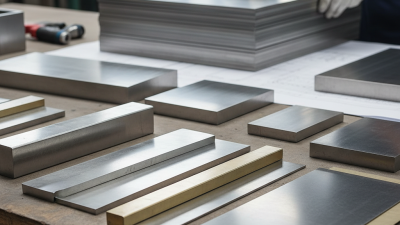
Surface finish should not be overlooked. A smoother finish enhances aesthetic appeal and provides ease of cleaning. Common finishes include brushed, mirrored, and matte. Each finish alters not just appearance but also functionality. When selecting a finish, consider the environment in which the stainless steel will be used. However, achieving the perfect balance between aesthetics and practicality can be challenging. Consider industry standards and potential long-term wear when making your decision.
Factors to Consider When Buying Stainless Steel Plates
Examining Different Stainless Steel Finishes and Their Uses
Stainless steel finishes play a crucial role in determining the appearance and performance of plates. Different finishes are suited for various applications. For instance, the brushed finish offers a subtle sheen, making it popular in architectural designs. It provides a sleek look while minimizing visible fingerprints. On the other hand, the mirror finish reflects light brilliantly and is often used in decorative applications.
When selecting stainless steel plates, it’s essential to consider the intended use. A polished finish might not be ideal for heavy-duty environments. Choosing finishes that match your project's requirements is critical. A matte finish can hide scratches better than a glossy one. This is vital in high-traffic areas where aesthetic integrity is a concern.
Before making a purchase, check the finish quality. Examine samples if possible. Look for any irregularities. Understanding how each finish reacts to chemicals and wear is equally important. It influences your maintenance routine. Researching the specific uses of each finish can save time and cost in the long run. Be mindful of the finish's impact on your overall design.
Price Comparison and Sourcing Tips for Stainless Steel Plates
When sourcing stainless steel plates, understanding price variations is essential. Prices can differ based on thickness, type, and supplier. A thicker plate usually costs more, but the benefits in durability can justify the price. Always compare quotes from multiple providers to ensure you're getting the best deal.
Some suppliers offer bulk discounts. If your project requires large quantities, inquire about these savings. Additionally, delivery charges can impact the total cost. Collecting detailed shipping costs allows for more accurate budgeting.
Quality control is crucial. Not all stainless steel products meet the same standards. Look for certifications to ensure the material's reliability. A lower price may mean inferior quality, which could lead to future expenses. Regularly evaluate suppliers and their reputation to avoid the pitfalls of a subpar product.
What is Stainless Steel Plates Buyers Guide and Tips? - Price Comparison and Sourcing Tips for Stainless Steel Plates
| Dimension (mm) |
Thickness (mm) |
Grade |
Price per kg (USD) |
Min Order Quantity (kg) |
Sourcing Location |
| 1000 x 2000 |
3 |
304 |
3.00 |
500 |
China |
| 1500 x 3000 |
4 |
316 |
4.00 |
300 |
India |
| 1200 x 2400 |
5 |
430 |
2.50 |
700 |
USA |
| 2000 x 4000 |
6 |
201 |
3.50 |
400 |
Germany |
| 1000 x 1000 |
2 |
304 |
3.20 |
1000 |
Japan |
Maintenance and Care Tips for Stainless Steel Plates
Stainless steel plates are popular in kitchens due to their durability and aesthetic appeal. However, proper maintenance is essential to keep them looking their best. Regular cleaning is crucial. Simply wipe them down with warm water and mild soap. Avoid abrasive sponges as they can scratch the surface. For tougher stains, a mixture of baking soda and water can work wonders. Apply it gently for a flawless finish.
Stainless steel can dull over time. To restore its shine, use a specialized stainless steel cleaner or a mixture of vinegar and olive oil. Apply with a soft cloth for optimal results. Pay attention to areas prone to fingerprints, as they can be particularly noticeable. Regularly polishing these spots can prevent buildup.
It's common for users to overlook maintenance routines. Some may experience rusting if plates are not dried properly after washing. Ensuring they are completely dry can help avoid this issue. Additionally, storing plates in a humid environment can lead to unforeseen tarnishing. Keeping these tips in mind will help you enjoy your stainless steel plates for years to come.