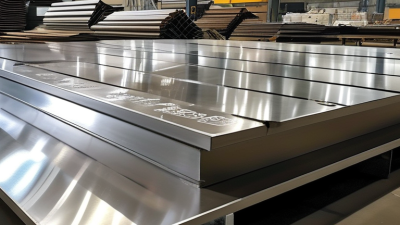
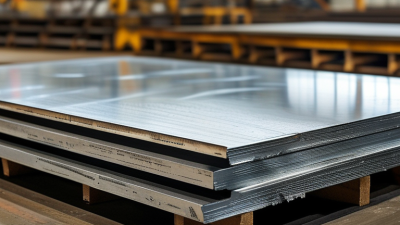
What are the Best Stainless Steel Plates for Global Buyers?
In the rising demand for high-quality materials, stainless steel plates have become essential in various industries. The global market for stainless steel plates is projected to reach approximately $50 billion by 2025, according to industry reports from Grand View Research. This growth reflects their critical role in construction, automotive, and aerospace sectors. Stainless steel plates offer durability, corrosion resistance, and aesthetic appeal, making them a versatile choice for global buyers.
However, selecting the best stainless steel plates requires specific knowledge of grades and applications. Different grades have unique properties suited for varied uses. For instance, austenitic stainless steel plates are great for architectural uses, while ferritic types excel in automotive parts. Not all suppliers offer the same quality, and inconsistencies can affect project outcomes. During the selection process, buyers should focus on certified suppliers to ensure reliability.
Despite these advantages, challenges remain in sourcing. Fluctuations in raw material prices can impact costs, leading to unpredictability in the supply chain. Therefore, buyers must stay informed about market trends and potential suppliers. Understanding these dynamics will help in making better purchasing decisions in this complex landscape of stainless steel plates.
What Types of Stainless Steel Plates Are Most Popular Globally?
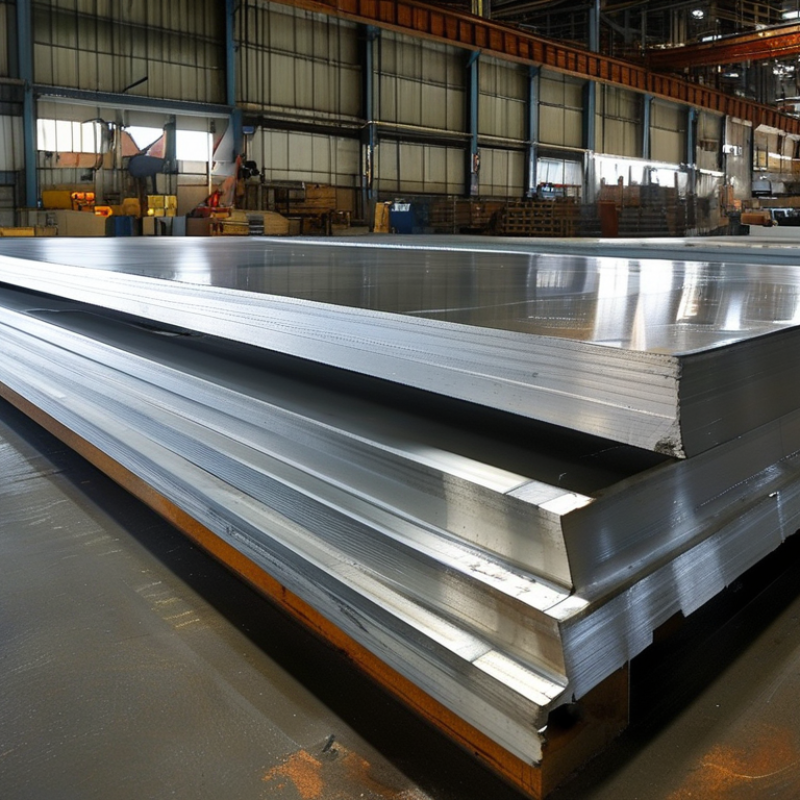
When exploring stainless steel plates, various types stand out in global markets. Different grades and finishes cater to specific needs. The most popular types include 304, 316, and 430 stainless steel plates. These grades offer excellent corrosion resistance and durability.
304 stainless steel plates are widely favored for their versatility. Commonly found in kitchen equipment and storage vessels, these plates resist rust. However, the high nickel content can raise costs. On the other hand, 316 stainless steel is ideal for marine applications. It provides superior resistance to saltwater and harsh chemicals. While it is more expensive, the longevity justifies the investment.
Another commonly used type is 430 stainless steel. This grade is magnetic and less costly. It's suitable for home appliances and automotive parts. Yet, it doesn’t perform as well in corrosive environments. Buyers must weigh the pros and cons when selecting the right type. Understanding these nuances helps ensure the best choice for specific applications.
Key Specifications to Consider When Choosing Stainless Steel Plates
When selecting stainless steel plates, various specifications must be considered to ensure quality and suitability. Thickness plays a crucial role. Thicker plates often provide better strength and durability, especially in structural applications. Common thicknesses range from 1.5mm to 20mm. Buyers should evaluate their specific needs regarding mechanical strength and resistance to corrosion.
Another key specification is the grade of stainless steel. Different grades offer diverse benefits. For instance, 304 stainless steel is widely used for its excellent corrosion resistance. However, in environments with higher temperatures, 316 may be more appropriate due to its enhanced performance. Conducting thorough research on material properties is essential.
Surface finish can also impact functionality. A polished finish can enhance aesthetics and make cleaning easier. Conversely, a rough finish may be beneficial in environments requiring better friction or grip. Some buyers overlook these details, leading to potential mismatches for their specific applications. It’s crucial to align the finish with the intended use to avoid future complications.
Leading Manufacturers and Their Market Share in Stainless Steel Plates
Stainless steel plates are crucial in various industries, such as construction and manufacturing. Understanding the market's leaders is essential for global buyers. Major manufacturers hold significant market shares. They drive innovation and maintain competitiveness. Buyers need to identify these players to make informed choices.
Some manufacturers focus on quality, while others prioritize cost. This division can affect buyers' options. Many suppliers claim high-strength steel, but not all deliver. Some plates may not meet industry standards. It is vital for buyers to verify certifications and conduct thorough assessments.
Market trends show a growing demand for sustainable materials. Companies that invest in eco-friendly practices are gaining market traction. Buyers may find these products costly initially but often save in the long run. As global standards evolve, keeping an eye on leading manufacturers can guide better purchasing strategies.
Recent Trends in Stainless Steel Plate Applications and Innovations
Recent trends in stainless steel plate applications highlight how innovation is reshaping industries. Manufacturers are exploring advanced fabrication techniques. This focus on quality enhances durability and lifespan, allowing stainless steel plates to be used in harsher environments. Aerospace and automotive sectors are leading the charge, demanding materials that can withstand extreme conditions. The rise of lightweight yet strong stainless steel plates is enabling new designs in transportation.
Another notable trend is sustainability. More businesses are seeking eco-friendly production methods. This shift is fostering the development of recycled stainless steel plates. They maintain high standards while reducing environmental impact. However, this presents challenges. The quality of recycled materials can vary. Consistency in production is critical for maintaining reliability in applications. Hence, continuous improvement in recycling processes is essential for future growth.
The growing use of stainless steel plates in construction and architecture also reflects evolving demands. Architects favor these materials for aesthetic appeal and functional strength. Creative designs incorporate stainless steel to enhance visual impact. Yet, challenges persist in ensuring proper installation techniques and maintenance standards. Building professionals must address these issues to maximize longevity and performance. Balancing innovation with practical application continues to be a key focus in the industry.
Quality Standards and Certifications for Global Stainless Steel Plates
When selecting stainless steel plates for global markets, understanding quality standards and certifications is crucial. Various organizations set benchmarks to ensure the durability and safety of these materials. For instance, the ASTM (American Society for Testing and Materials) provides specifications that cover mechanical properties and chemical composition. This helps buyers assess the performance of the plates in different environments.
ISO certification is also significant. It ensures a consistent quality that meets international safety and reliability standards. Buyers should look for stainless steel plates that meet ISO 9001 and ISO 14001. These certifications reflect a commitment to quality management and environmental responsibility, respectively. However, not all suppliers may hold these certifications, leading to concerns about the quality offered.
Additionally, it is essential to consider regional standards. Different countries may have specific regulations that affect the type of stainless steel used. This can influence everything from corrosion resistance to tensile strength. Buyers often face challenges navigating these varied requirements. It may lead to purchasing decisions that don’t meet expectations. Review and validation processes can help mitigate this issue, ensuring that the selected plates are not only compliant but also fit for purpose.