How to Choose the Best Stainless Steel Plates for Your Needs?
Choosing the right stainless steel plates can be challenging. With numerous options available, where do you begin? Industry expert John Smith, a veteran in metalwork, says, "Understanding your needs is key when selecting stainless steel plates."
Stainless Steel Plates serve diverse purposes in various fields. They are used in construction, manufacturing, and even kitchenware. However, not all stainless steel plates are created equal. Each plate has specific properties that suit different applications. It’s essential to consider factors such as thickness, grade, and finish. These details can have a significant impact on the durability and performance of the plates.
When assessing your needs, think critically. What will the plates be used for? Will they be exposed to harsh conditions? Reflecting on these questions can guide you. In the world of stainless steel plates, the right choice hinges on understanding your requirements and the specifications of the materials available.
Understanding Different Types of Stainless Steel Plates Available
When selecting stainless steel plates, it's vital to understand the different types available. Stainless steel comes in various grades, each designed for specific applications. Common grades include 304 and 316. Grade 304 is versatile and corrosion-resistant. It works well in industries like food processing. However, it may not withstand harsh chemicals.
On the other hand, grade 316 has added molybdenum, enhancing its resistance to saltwater and other corrosive environments. This makes it ideal for marine applications. Restaurants and laboratories often prefer it over 304. There are also different finishes to consider, such as brushed or polished. Each finish impacts the plate's appearance and maintenance requirements.
Dimensions also play a significant role. Plates come in various thicknesses, affecting durability and insulation properties. Thicker plates offer better protection but can be heavier. Reflect on your project's specific needs. Assess whether the weight of a thicker plate is manageable. Choosing the right type may require some trial and error. Remember, there's no one-size-fits-all option.
Key Factors to Consider When Selecting Stainless Steel Plates
When selecting stainless steel plates, it's vital to consider the application. Different grades of stainless steel offer unique properties. For instance, AISI 304 is often chosen for its corrosion resistance, making it suitable for food processing. In contrast, AISI 316 can handle harsher environments, particularly in marine applications. Industry data suggests that corrosion-related failures account for 25% of metal failures, emphasizing the importance of choosing the right grade.
Another critical factor is thickness. Thicker plates provide greater strength and durability, especially under heavy loads. However, they can be more challenging to work with. According to a recent report by ASTM International, specific applications may require plates from 1/8 inch to 1/2 inch in thickness to ensure proper performance. Always consider the operational environment, as temperature and exposure can impact the longevity and functionality of the plates.
Additionally, the manufacturing process matters. Hot-rolled plates are less expensive and good for structural uses, while cold-rolled plates offer better surface finish. However, cold-rolled options might not handle extreme conditions as well. It's essential to reflect on intended use and consult credible material standards to ensure you've made an informed decision.
Comparison of Stainless Steel Plate Types by Tensile Strength
Comparing Thickness and Dimensions for Your Specific Requirements
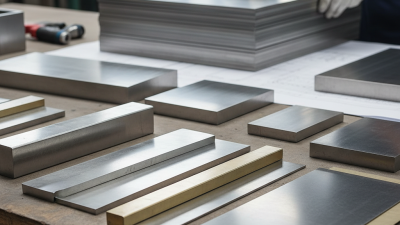
Choosing the right stainless steel plates requires careful consideration of thickness and dimensions. The thickness affects durability and weight, and it’s crucial to match this with your specific application. Thicker plates offer higher strength but can be heavier and more difficult to manipulate. For example, if you are using plates for a structural project, a thickness of 3/16" to 1/4" is often ideal. However, for decorative pieces, thinner plates may suffice and provide a lighter option.
Dimensions also play a significant role in your choice. Standard sizes can fit certain applications, but custom dimensions may be necessary. Remember to measure your workspace accurately. A plate that is too large can cause unnecessary complications. On the other hand, smaller plates might not fulfill your requirements.
Tips: Always consider the intended use of the plates. For high-temperature cooking or industrial applications, ensure you select the appropriate thickness and size. Reflect on how the dimensions will influence the overall project efficiency. Take time to evaluate your choices. Sometimes, what seems perfect at first may not yield the best results in practice.
Evaluating Corrosion Resistance and Durability of Stainless Steel Plates
When selecting stainless steel plates, understanding corrosion resistance is crucial. Corrosion can damage materials, impacting their lifespan and functionality. A key metric in evaluating corrosion resistance is the alloy composition. For instance, 304 stainless steel offers solid resistance in many environments. Yet, it may not perform well in chloride-rich settings, such as coastal areas.
Durability relates closely to wear and tear performance. In a study by the International Stainless Steel Forum, it was noted that grades like 316 stainless steel show greater durability due to the presence of molybdenum, which enhances resistance to pitting. This is particularly vital in industries like marine or chemical processing, where exposure to harsh conditions is common. Buyers often overlook these details and may risk choosing a grade that lacks necessary durability.
Practical experience also sheds light on the importance of proper selection. Many users report that even a small cost savings often leads to rapid degradation. Choosing a suitable grade means better long-term investment. Understanding the specific environmental conditions is vital for making an informed choice, as corrosion resistance and durability can significantly impact performance and longevity.
Cost Analysis: Budgeting for Stainless Steel Plates Without Compromising Quality
When budgeting for stainless steel plates, it’s crucial to balance costs with quality.
Stainless steel is durable, resistant to corrosion, and versatile. However, prices can vary widely.
It’s essential to understand why certain plates cost more. Higher-quality steel may include better alloy blends.
This influences longevity and resistance to wear.
Investing in high-quality plates might save money over time.
Cheaper options could lead to rust or warping. Regular replacements drive up long-term costs.
Consider the thickness and finish of the plates. Thicker plates typically offer better performance.
Mirror finishes can enhance cleanliness and aesthetics but may increase costs.
Reflect on your specific needs. Are you using them for everyday meals or special occasions?
Evaluate if heavy-duty options are necessary. Sometimes, mid-range products fulfill requirements without overspending.
Analyze your priorities, and think about how you plan to use the plates.
Making informed choices will ensure you find the best fit for your budget and quality standards.